
Vitiligo Treatment in LaPlace, LA
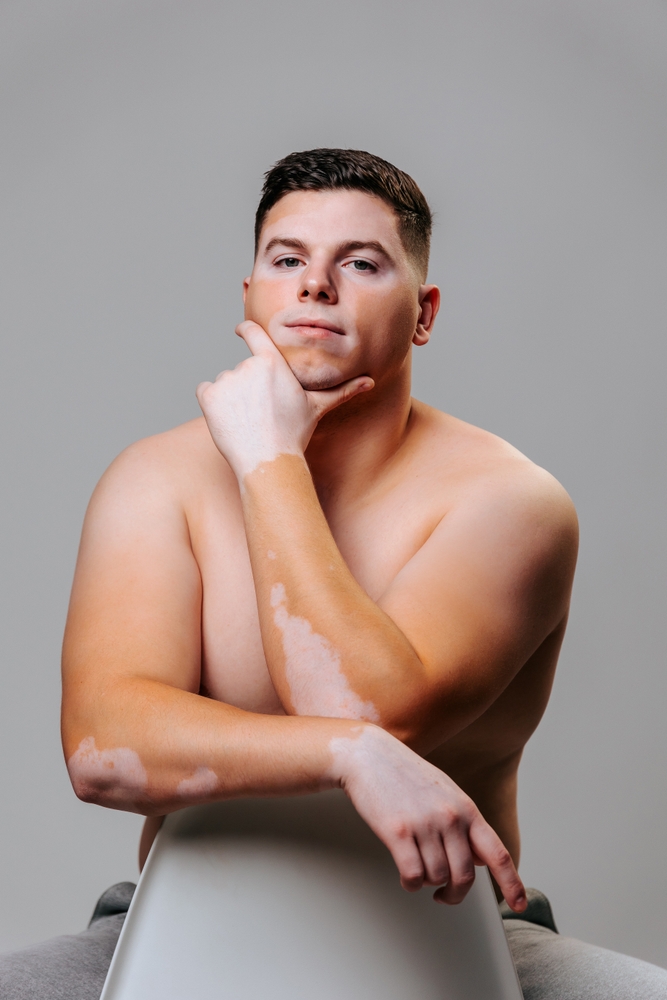
Get a Clear Diagnosis for White Skin Patches
Not every white patch is vitiligo. Fungal infections, eczema, sun damage, and other skin problems can also cause light spots. Using the wrong product may irritate the skin without treating the real cause.
Vitiligo often causes smooth, white patches that do not itch or hurt. The patches may appear on the face, hands, arms, feet, or around body openings. Hair growing in an affected area may also turn white.
During your appointment, your dermatologist will examine the patches and ask when they first appeared. A special light may be used to see the areas more clearly. In some cases, blood tests may be recommended because vitiligo can occur with other autoimmune conditions, such as thyroid disease.
How Vitiligo Care May Help
Slow New Color Loss
Active vitiligo may cause new white patches or make current patches grow. Treatment can help calm the immune response and may slow the loss of pigment in other areas.
Bring Back Some Pigment
Prescription medicine, light therapy, or focused treatment may help color return. Results are different for each person, and areas like the face often respond better than the hands and feet.
Reduce the Look of White Patches
Daily sun protection can prevent burns and keep the surrounding skin from becoming much darker. Skin-safe makeup or self-tanner may also help create a more even-looking skin tone.
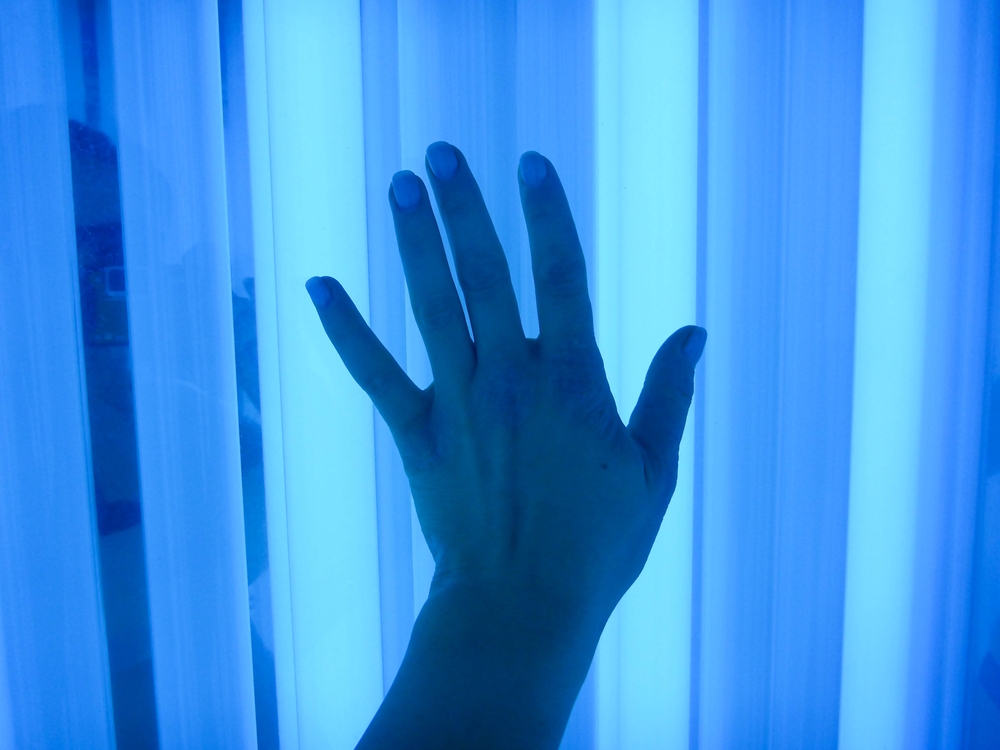
Light Therapy For Vitiligo in Laplace
Light therapy for vitiligo, also called phototherapy, uses a controlled type of ultraviolet light. It may help slow the immune response and support the return of skin color. It is often used when vitiligo affects several parts of the body.
Phototherapy is not the same as using a tanning bed. Medical light treatment uses a planned amount of light under professional care. Patients often need regular sessions over several months before they see a change.
The face and neck may respond better than the hands and feet. Results vary from one patient to another. Your dermatologist can explain whether light-based treatment may be right for your skin.
Compare Vitiligo Treatment Options in Laplace
| Treatment Option | How It May Help | What to Expect |
|---|---|---|
| Prescription creams | May calm the immune response and help restore skin color. | Results appear slowly, and the medicine must be used as directed. |
| Light therapy | Uses controlled UV light to support the return of pigment. | Regular sessions may be needed for several months. |
| Focused light or laser treatment | Targets small or limited white patches. | Several appointments may be needed. |
| Combination treatment | Uses more than one method to improve the response. | Your plan may change based on how your skin responds. |
| Maintenance care | Helps protect restored color and watch for new patches. | Follow-up visits and ongoing skin care may be recommended. |
| Sun protection | Protects pale areas from burns and reduces color contrast. | Use broad-spectrum sunscreen and protective clothing daily. |
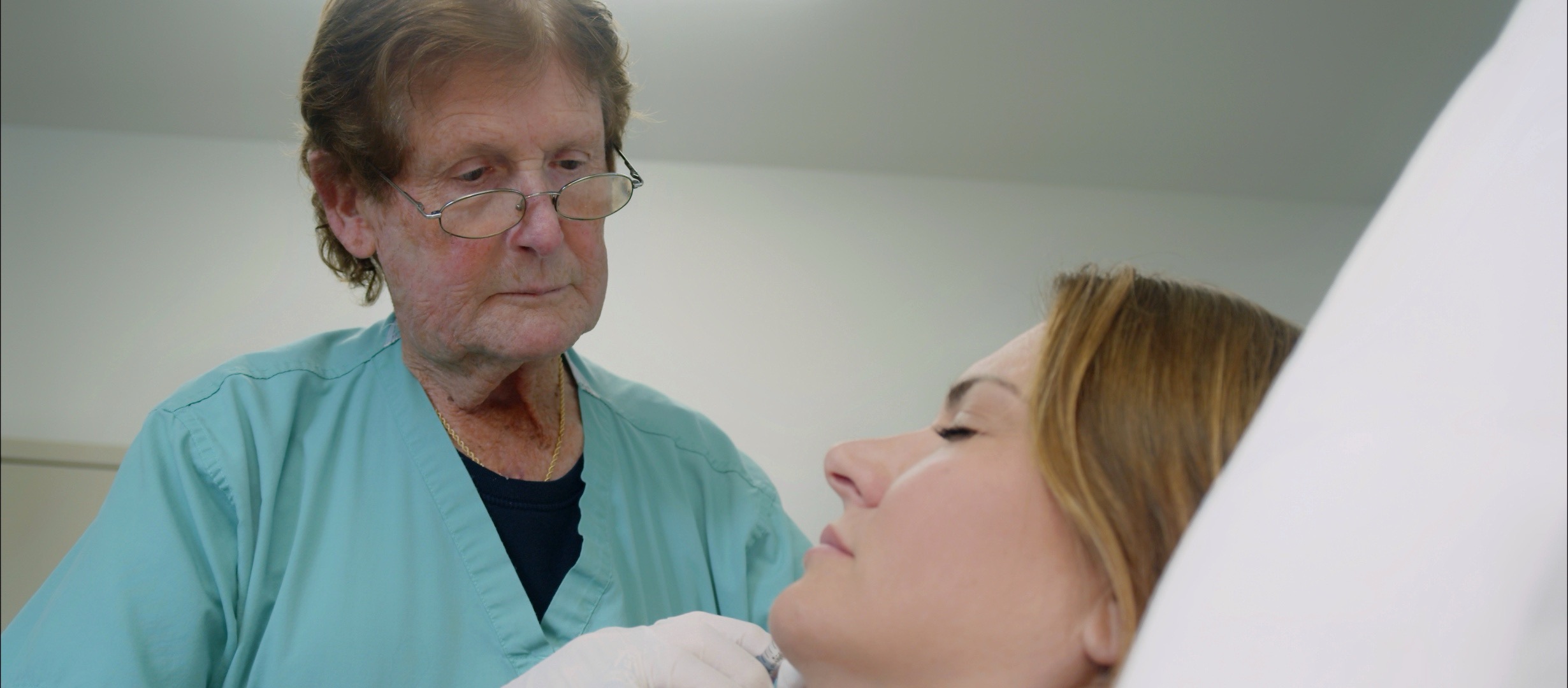
Help Slow Vitiligo From Spreading
Vitiligo may remain in one area or spread to other parts of the body. New white patches can sometimes appear after a cut, burn, scratch, or other skin injury.
Protect your skin from cuts and sunburn. Use a broad-spectrum sunscreen with SPF 30 or higher on exposed areas. Sun protection helps prevent burns and reduces tanning in the surrounding skin, which may make white patches stand out more.
Tell your dermatologist if you notice new spots or fast changes. Starting treatment while vitiligo is active may help slow its spread.