
Eczema Treatment in LaPlace, LA

What Eczema Looks Like
Eczema is a chronic inflammatory skin condition. It affects the skin barrier, making it harder for the skin to hold moisture and protect itself from irritation.
it often follows a cycle. Skin may calm for a while, then flare again due to changes in weather, stress, or daily habits. These flare-ups can affect comfort, sleep, and focus. While eczema looks different from person to person, it is a common skin condition and it responds well to medical care. With the right approach, eczema treatment in LaPlace can help reduce flares and improve skin over time.
People with eczema often notice itching, dryness, and redness that return again and again. Some have symptoms year-round, while others only flare at certain times.
Eczema can affect:
Infants and children
Teens and adults
People with sensitive skin or allergies
Although eczema does not go away completely, it can be controlled. With proper diagnosis and care, many patients experience fewer flares and more stable skin.
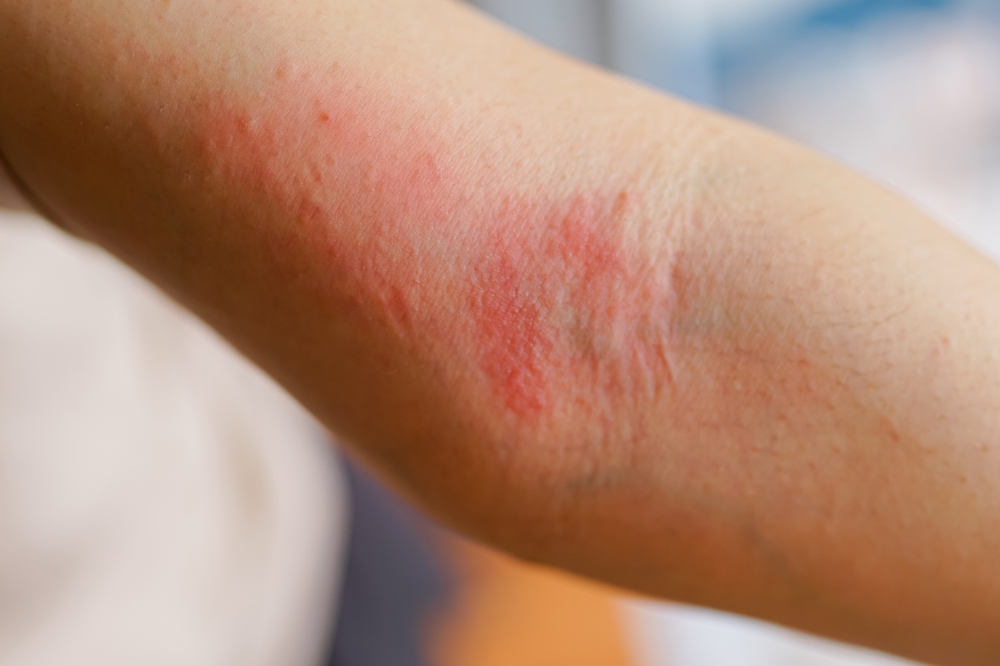
Common Eczema Symptoms
Symptoms of eczema vary based on type, age, and severity. Some people have mild irritation, while others deal with ongoing discomfort.
Common symptoms include:
Persistent itching
Red or inflamed skin patches
Dry, cracked skin
Oozing or crusting during flares
Thickened skin from repeated scratching
Scratching may bring short relief but often worsens inflammation. Early care helps protect the skin and reduce long-term damage.
Types of Eczema
There are several forms of eczema, and each has its own pattern. Identifying the type helps guide treatment and daily care.
Atopic Dermatitis: This is the most common form of eczema. It often begins early in life and may continue into adulthood. Skin is dry, itchy, and prone to repeated flares.
Contact Dermatitis: This type develops when the skin reacts to an irritant or allergen. Common triggers include soaps, metals, fragrances, and certain plants.
Nummular Eczema: This form causes round or oval patches on the skin. These areas are often dry, inflamed, and itchy.
Dyshidrotic Eczema: Small blisters appear on the hands or feet. Flares may be sudden and uncomfortable.
Seborrheic Dermatitis: This type affects areas with more oil glands, such as the scalp, face, and chest. Flaking and redness are common.
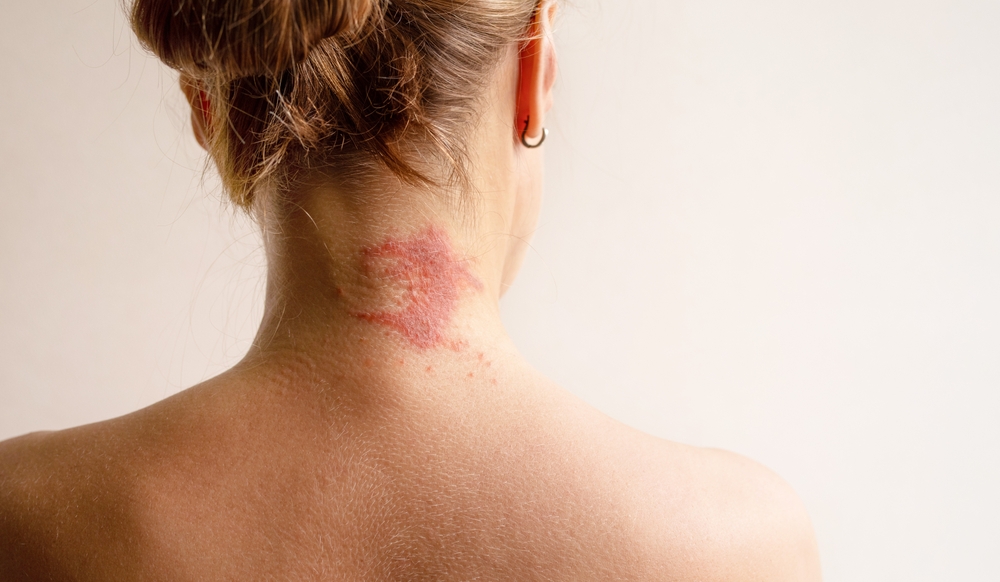
What Causes Eczema?
Eczema develops due to several overlapping factors. It is not caused by infection and cannot be passed from person to person.
Common causes and triggers include:
Genetic factors that affect the skin barrier
Immune system responses that lead to inflammation
Environmental triggers such as heat, cold, or dry air
Allergens and irritants, including detergents and fragrances
Stress and weather changes
Many patients notice patterns over time. A dermatologist can help identify triggers and adjust care to reduce flare-ups. For additional background, resources from the National Eczema Association provide clear explanations that support medical guidance.
Eczema Treatment Options
Eczema treatment focuses on calming inflammation, restoring the skin barrier, and preventing future flares. Treatment plans are based on severity, age, and how often symptoms return.
Topical Treatments
Topical treatments are often used first. These may include prescription creams or ointments that help reduce redness, itching, and swelling. When applied correctly and consistently, topical care can bring noticeable relief and help the skin heal more evenly.
Systemic Treatments (if needed)
In cases where eczema is more persistent or widespread, treatment may involve medications that work throughout the body. These options are used when topical care alone does not provide enough control and are chosen carefully based on the patient’s needs.
Lifestyle & Trigger Management
Daily habits also play an important role in eczema treatment in LaPlace. Skincare routines, regular moisturizing, and avoiding known triggers help support medical treatment and reduce the frequency of flares. Small adjustments, when followed consistently, often lead to steadier skin over time.
Eczema Care for Children and Adults
Eczema affects people of all ages, but treatment plans are shaped differently for children and adults. Age, skin sensitivity, and daily routines all influence how care is approached.
For children, treatment focuses on gentle care that protects developing skin. Parents are guided on bathing habits, moisturizing routines, and early signs of flare-ups. Early management helps reduce discomfort and may lower the chance of long-term skin sensitivity.
Adults may develop eczema later in life or continue managing symptoms from childhood. Stress, work environments, and weather changes often play a larger role. Care for adults focuses on long-term control, identifying triggers, and building routines that fit daily life while keeping symptoms manageable.
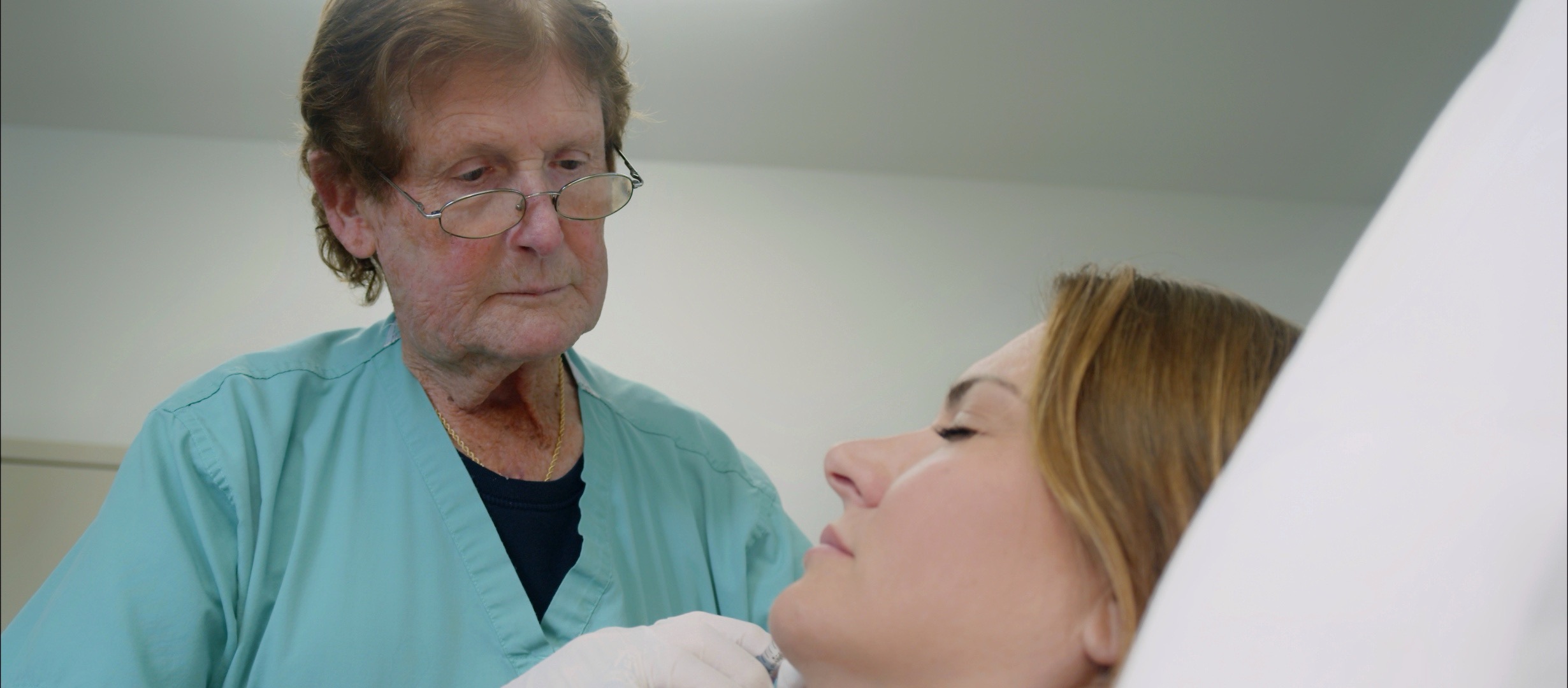
When to See a Dermatologist for Eczema
Many people try over-the-counter products first. While these may help mild cases, ongoing symptoms often need professional care.
You may want to see a dermatologist if:
-
Symptoms do not improve with store-bought products
-
Flare-ups happen often
-
Itching disrupts sleep or daily activities
-
The skin shows signs of infection
-
Eczema appears in infants or young children
Early evaluation helps prevent complications and supports better long-term skin health.
Most Common Questions
No. Eczema is not contagious and cannot be passed from person to person through touch or shared items.
Common eczema triggers include dry weather, heat, sweat, stress, harsh soaps, fragrances, and certain fabrics. Triggers vary from person to person, which is why identifying patterns is an important part of care.
There is no permanent cure for eczema, but it can be well controlled. With the right treatment plan and daily skin care, many people experience fewer flares and long periods of calm skin.
Over-the-counter products may help mild symptoms, but they often are not enough for ongoing or moderate eczema. When symptoms persist, eczema treatment in LaPlace guided by a dermatologist can provide better control.
A dermatologist evaluates the type and severity of eczema and recommends treatment based on the patient’s needs. This may include prescription topical treatments, advanced therapies, and guidance on daily skin care and trigger management.