
Nail Fungus Treatment in LaPlace, Louisiana
What Is Nail Fungus?
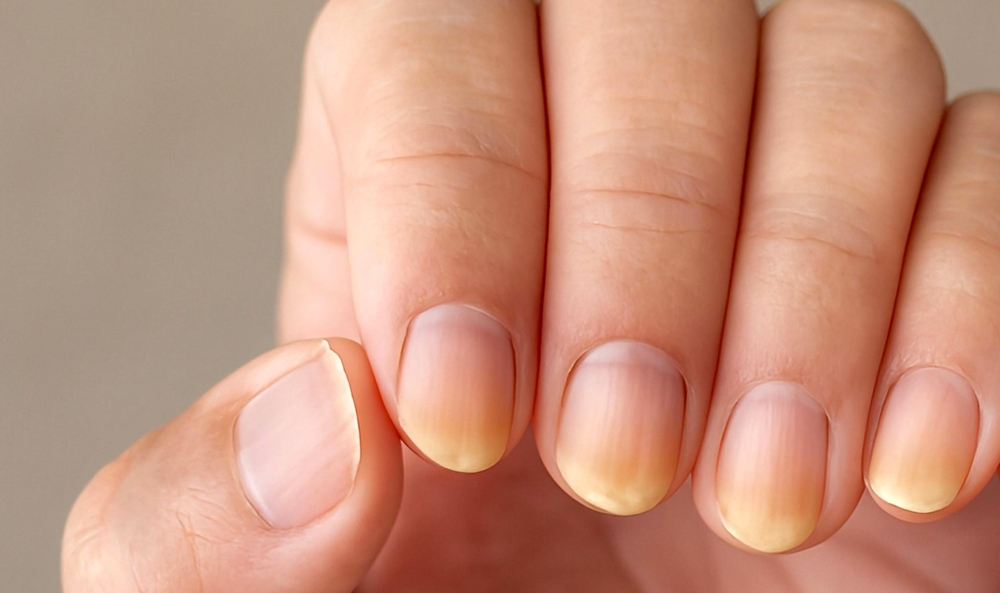
Nail fungus, also called onychomycosis, is a fungal infection that affects the nail and the skin beneath it. It most often involves toenails, but fingernails can be affected as well. The fungus thrives in warm, damp environments and slowly changes how the nail grows.
As the infection progresses, the nail may become discolored, thick, or brittle. Unlike surface skin infections, nail fungus lives deep under the nail, which is why it does not clear on its own and rarely responds to over-the-counter products alone.
Without treatment, nail fungus usually worsens. Early care helps protect the nail and reduces the chance of long-term damage.

Signs and Symptoms of Nail Fungus
Nail fungus symptoms usually appear slowly. Early changes are often subtle and easy to miss, especially when only one nail is affected. Many patients assume the nail is damaged from shoes or aging, which can delay proper nail fungus treatment.
As the infection develops, the nail begins to change in visible and physical ways. These changes happen because the fungus grows under the nail and interferes with normal nail growth. Over time, the nail may become harder to manage and less comfortable in daily life.
Common signs of nail fungus include:
Yellow, white, or brown discoloration that starts at the edge or base of the nail
Thickened nails that feel rigid and are difficult to trim
Brittle, rough, or crumbling edges
Distorted nail shape that no longer grows evenly
Separation from the nail bed, which may trap debris underneath
What Causes Nail Fungus?
Nail fungus develops when fungal organisms enter the nail through small openings. These openings may come from minor nail damage, pressure from shoes, or separation between the nail and the nail bed. Once the fungus reaches this space, it can grow undisturbed and spread slowly over time.
The infection thrives in environments that are warm and damp. Because nails grow slowly, especially toenails, the fungus has time to settle in and affect how the nail forms. This is why nail fungus treatment often takes longer than treatment for surface skin infections.
Common causes and contributing factors include:
Exposure to fungi in warm, moist areas such as locker rooms or communal showers
Wearing tight or non-breathable footwear that traps moisture
Nail injuries that create small entry points for infection
Walking barefoot in shared spaces like pools or gyms
Health conditions that affect circulation or immune response

How Nail Fungus Is Diagnosed
Proper diagnosis matters. Not all nail changes are caused by fungus, and treating the wrong condition can delay improvement.
Diagnosis usually begins with a visual exam of the affected nails. In some cases, a small nail sample may be taken to confirm the presence of fungus. This helps guide treatment choices and avoids unnecessary medication.
A clear diagnosis allows treatment to be targeted, which improves results and saves time.
Who Is at Higher Risk for Nail Fungus?
Some people are more likely to develop nail fungus because of health conditions, age-related changes, or daily habits that affect the nails. Understanding these risk factors helps patients take preventive steps and seek care earlier.
Risk increases when nail growth slows or when the body has a harder time fighting infection. In these situations, fungus can settle under the nail more easily and become harder to clear without medical nail fungus treatment.
Higher-risk groups include:
Older adults, due to slower nail growth and reduced circulation
Athletes and people who sweat heavily, which creates moist environments
Individuals with diabetes, who may have reduced blood flow to the feet
People with circulation issues that affect nail health
Those with a weakened immune system
For patients in these groups, early evaluation is especially helpful. Prompt care reduces the chance of the infection spreading to other nails and lowers the risk of long-term nail damage.
Nail Fungus Treatment Options
Nail fungus treatment depends on how advanced the infection is, how many nails are affected, and the patient’s overall health. Treatment takes time because nails grow slowly, especially toenails.
Topical treatments may be used for mild or early infections. These treatments are applied directly to the nail and surrounding skin. They work best when the fungus has not deeply invaded the nail bed and when used consistently over several months.
For more advanced cases, oral treatment may be recommended. These medications work from within the body to stop fungal growth at the source. Oral treatment is often more effective for widespread or long-standing infections and is prescribed with careful monitoring.
In some cases, advanced or in-office treatment options may be considered. These approaches are used when other methods have not provided enough improvement. Consistency and follow-through are key with all treatment types.

When to See a Dermatologist for Nail Fungus
Many people wait too long to seek care, hoping the problem will resolve on its own. Seeing a dermatologist early can shorten treatment time and prevent spreading.
You should consider professional care if:
Over-the-counter products have not worked
The infection is spreading to other nails
Nails become painful or difficult to manage
You have diabetes or circulation problems
Nail changes are unclear or worsening
Early evaluation leads to clearer answers and better results.
Most Common Questions
Nail fungus can spread through direct contact and shared surfaces. Walking barefoot in locker rooms, pools, or communal showers increases risk. It can also spread from one nail to another if left untreated.
In most cases, nail fungus does not clear without treatment. Because the infection lives under the nail, it tends to persist and slowly worsen over time. Medical care helps stop the infection and support healthy nail growth.
Over-the-counter products may help very mild cases, but they often do not reach the fungus beneath the nail. When symptoms persist, nail fungus treatment guided by a dermatologist is usually more effective.
Treatment takes time because nails grow slowly. Toenails may take several months to fully grow out. Improvement often begins at the base of the nail as healthy growth replaces damaged nail.
Yes, nail fungus can return if preventive steps are not followed. Good foot hygiene, proper footwear, and nail care help reduce the risk of recurrence after treatment.