
Melasma Treatment in LaPlace, LA

What Melasma Looks Like
Many people with melasma describe the same moment: they catch their reflection and notice dark patches that were not there before. These patches can make the skin look uneven, and the change often brings stress or confusion. When someone comes to our LaPlace clinic for melasma treatment in LaPlace, they’re usually searching for answers, stability, and a way to feel like themselves again.
Melasma can be slow to fade. But with the right plan—and patience—many people see real changes. This page walks through what melasma is, why it happens, and how treatment works here in our office.
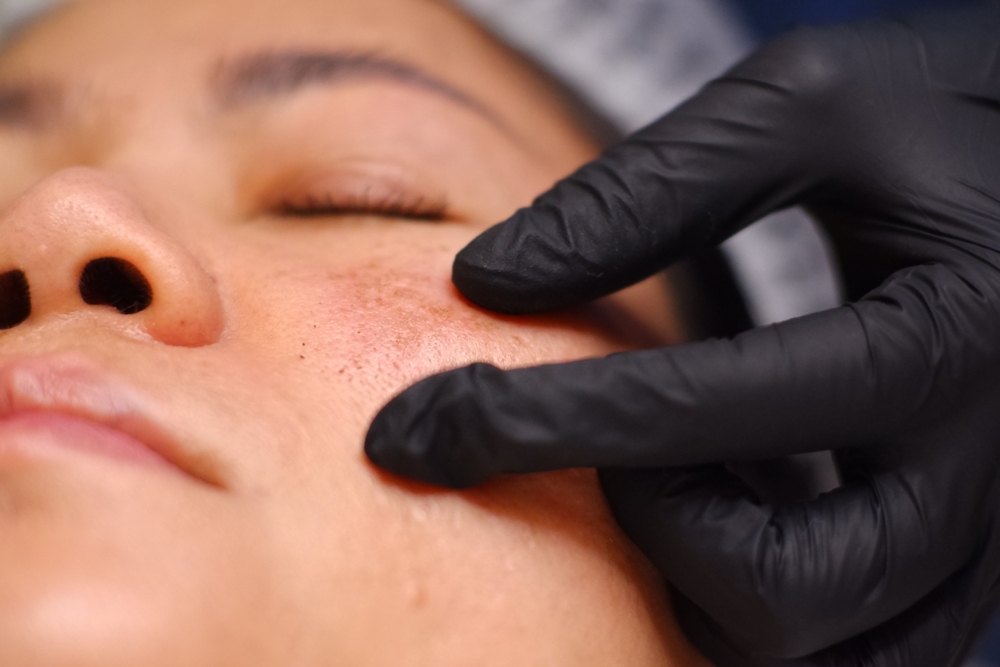
Melasma creates darker patches on the skin. These patches often appear on:
Cheeks
Forehead
Nose
Upper lip
Chin
Why Melasma Happens
Melasma appears when the skin makes more pigment than it needs. Sun exposure is the most common trigger, which is why the patches often darken after time outdoors. Hormone shifts—from pregnancy, birth control, or other changes—can also start or worsen it. Heat and stress can make the patches stronger, even without direct sunlight. Some skincare products can irritate the skin and add to the problem.
While melasma is not harmful, it can move up and down quickly, which makes it feel unpredictable. In some cases, people think they have melasma when the dark spots are actually related to bold skin conditions like psoriasis, so getting the right diagnosis matters.
Why Melasma Takes Time
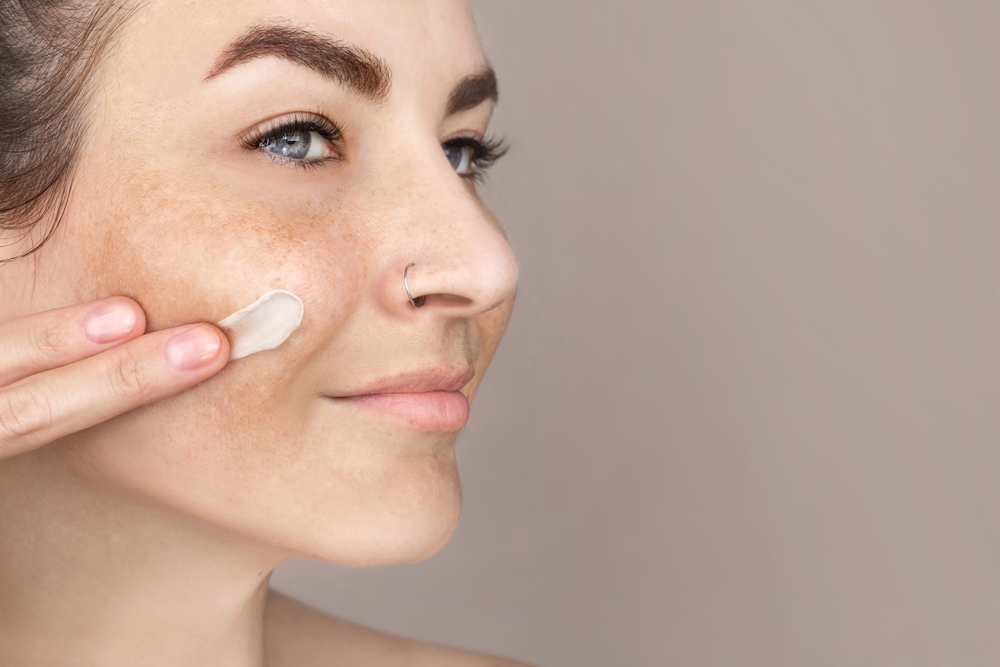
Melasma fades slowly because the extra pigment sits deep in the skin, not just on the surface. Even when the patches start to lighten, the skin can darken again with sun, heat, stress, or products that irritate the area. This back-and-forth pattern is one reason the condition feels stubborn.
People often ask, “How long will this take?”
The honest answer is that it varies from person to person. Some notice early fading within a few weeks, while others need a few months before changes appear. The goal is not instant results but steady progress. When the skin responds at its own pace, the improvements tend to last longer.
Treatment Options For Melasma
1. Topical Lightening Treatments
These are creams and serums used at home. They help slow pigment production and brighten dark patches. We may suggest products with:
Hydroquinone
Azelaic acid
Kojic acid
Retinoids
Vitamin C
Using these treatments the right way matters. We guide you through when to use them, how much to apply, and how to avoid irritation.
2. Chemical Peels
A peel removes the top layer of skin, which can lighten melasma and create a smoother tone. We use mild formulas that are safe for sensitive skin.
Peels help:
Break up pigment
Improve texture
Support other treatments
Some people see early fading after a few sessions.
3. Laser and Light Therapy
Laser care can help with melasma, though it must be done with care to avoid making the condition darker. We use devices that target pigment gently.
Laser therapy helps:
Lift deeper pigment
Smooth discoloration
Support long-term fading
This option works well for patients who haven’t seen enough change from creams alone.
4. Hormone-Related Support
If your melasma started during pregnancy or after starting birth control, hormone shifts may be part of the cause. We talk through these factors so your skin plan matches your life, not just your symptoms.

Why Patients Come to Us for Melasma Care
Most people with melasma want simple steps, honest guidance, and a plan that keeps them moving toward clearer skin. Our approach is steady, patient, and built on years of treating pigment conditions here in LaPlace.
People often tell us they feel seen and understood during their visit. Melasma affects confidence, routines, and how someone feels in their own skin. That’s why thoughtful care matters.
When to Get Help
The patches are getting darker.
This usually means the pigment is still active and needs medical care to slow it down.Makeup no longer covers the spots.
When coverage stops working, the melasma may be sitting deeper in the skin.Your skin reacts to over-the-counter creams.
Irritation can make melasma worse, so it’s better to get guidance before trying new products.Your melasma returns often.
Frequent flare-ups are a sign that your skin needs a more stable treatment plan.You feel unsure what products are safe.
Even simple products can trigger darkening, and clear direction helps avoid setbacks.
Most Common Questions
Melasma can fade over time, especially if you protect your skin from sunlight and other triggers, but it’s often stubborn and may require treatment to see significant improvement. There isn’t a guaranteed “cure” yet.
That varies by person and treatment. Some clients notice early improvements within a few weeks, while others need months of consistent care. The goal is steady, lasting progress rather than quick fixes.
Absolutely. Even the best treatments won’t last if you’re continually exposing your skin to UV and visible light without broad-spectrum sunscreen. Daily SPF is a must for preventing melasma from returning.
Certain ingredients (like retinoids) aren’t recommended during pregnancy, so we’ll focus on safe strategies like strict sun protection and milder options until it’s safe to use stronger therapies.