Mole Removal in Laplace
When Should a Mole Be Removed?
Not every mole needs removal. Many are normal and stay the same for years. But some changes can be a warning sign of skin cancer.
A mole should be checked if it changes in size, shape, or color. If it becomes darker, uneven, or grows quickly, that is not normal. Irregular borders are also a concern. Healthy moles usually have smooth, even edges.
Bleeding or itching without injury should never be ignored. Pain can also be a sign that something is wrong with your skin health.
Some people choose mole removal LaPlace for cosmetic reasons. A mole on the face, neck, or other visible area may affect confidence.
Family history matters too. If skin cancer runs in your family, you have higher risk.
Remember the ABCDE rule for melanoma:
A – Asymmetry
B – Border irregular
C – Color uneven
D – Diameter larger than a pencil eraser
E – Evolving or changing
If you notice any of these, schedule a skin exam at LaPlace Dermatology for professional mole evaluation.
Surgical Excision For Moles
Surgical excision is often used for suspicious moles or deep moles. This method removes the entire mole along with a small margin of healthy tissue.
During the visit, the area is numbed with local anesthesia. You stay awake but feel little to no pain. The dermatologist carefully cuts out the mole. Stitches may be placed to help the skin heal well.
The removed tissue is often sent for a biopsy. A lab checks the cells under a microscope. This helps confirm whether the mole is harmless or a sign of skin cancer.
This type of mole removal LaPlace patients receive is thorough and safe. It lowers the chance of the mole growing back.
If your mole has changed, looks uneven, or raises concern for melanoma, surgical mole removal may be the right option. At LaPlace Dermatology, patient safety and accurate diagnosis come first.
Shave Mole Removal
Shave removal works well for raised moles that are non-cancerous. These moles sit above the skin and do not grow deep.
The area is numbed before the procedure. The dermatologist uses a small blade to gently shave the mole flush with the skin surface. No stitches are usually needed.
This type of mole removal LaPlace patients choose is quick and simple. The visit often takes less than 30 minutes.
Healing time is short. A small scab forms and falls off within one to two weeks. Most patients return to daily activities the same day after mole removal.
Shave removal is not used for cancerous moles or deeply rooted growths. Your dermatology provider will examine the mole first to decide if this method is safe.
At LaPlace Dermatology, each mole is evaluated carefully before any skin procedure. Your skin safety is always the priority.
Does Mole Removal Leave a Scar?
Any time the skin is cut, a scar can form. That is the honest answer about mole removal scars.
The size of the scar depends on the size and depth of the mole. A small surface mole may leave a faint mark. A deeper mole removed with surgical excision may leave a thin line scar.
Location matters too. Areas under tension, like the shoulders or chest, may heal differently than the face after mole removal.
Proper wound care improves healing and helps reduce scar visibility. Keeping the area clean and covered protects the skin. Avoiding sun exposure reduces darkening of the scar.
Choosing professional mole removal LaPlace treatment lowers risk. When a trained board-certified dermatologist performs the procedure, precision matters. Clean tools, careful technique, and proper closure reduce problems.
At LaPlace Dermatology, scar control and healthy healing are part of every mole removal procedure. Your comfort and long-term skin appearance both matter.
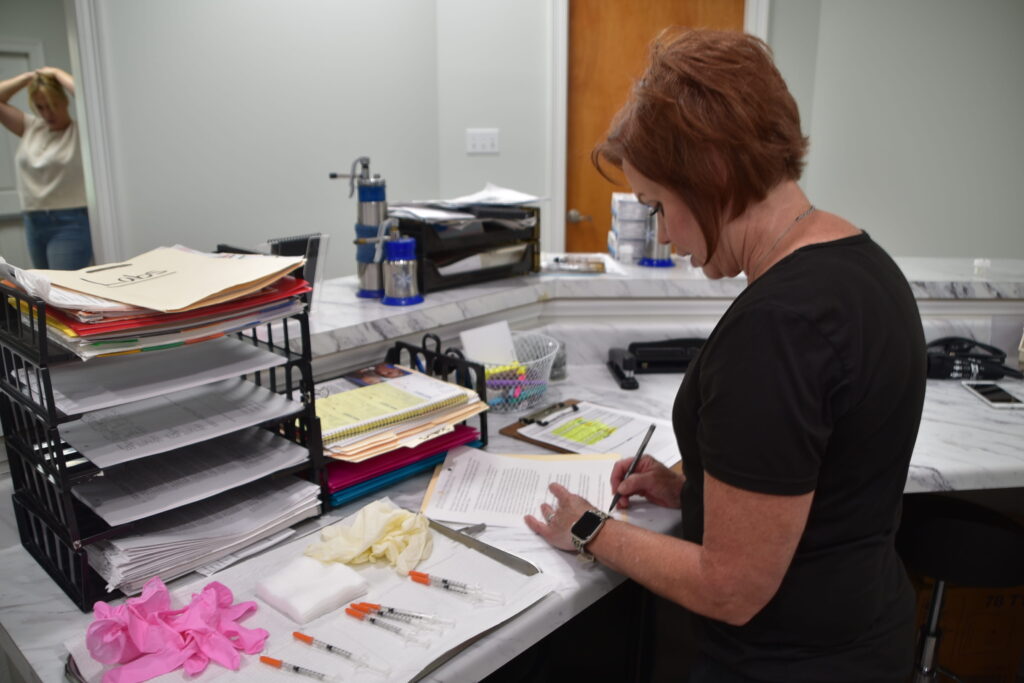
Cosmetic Mole Removal
Some moles are harmless but unwanted. They may sit on the face, neck, chest, or back. Even if they are not dangerous, they can affect how you feel about your appearance.
Cosmetic mole removal LaPlace patients request focuses on appearance and smoother skin. The goal is clear, even skin with minimal visible scarring after mole removal.
Your dermatologist will choose the best mole removal procedure based on size, depth, and location. Techniques are selected to reduce scar formation. Precise tools and careful closure help the skin heal evenly.
Before treatment, you will discuss expectations for your cosmetic mole removal. You can ask questions about healing time, scar risk, and long-term results.
At LaPlace Dermatology, cosmetic dermatology services are handled with the same attention as medical care. Healthy, smooth skin is always the goal.
If a mole makes you feel self-conscious, professional mole removal LaPlace can be a simple step toward feeling more confident in your skin.
Aftercare & Recovery
After mole removal LaPlace, healing is usually simple and smooth.
Keep the area clean after your skin procedure. Wash gently with mild soap and water. Pat dry. Do not rub the treated skin.
Apply any ointment your dermatologist recommends after mole removal. Cover the area with a small bandage if advised.
Avoid sun exposure while the skin heals. Sun can darken mole removal scars and slow recovery. Use sunscreen once the skin closes.
Watch for signs of infection after your mole removal procedure. Redness that spreads, warmth, pus, or increasing pain should be reported right away.
If stitches were placed during surgical mole removal, you may return to LaPlace Dermatology for removal. Follow-up visits also allow your doctor to review biopsy results if needed.
Most patients heal within one to three weeks after mole removal LaPlace treatment. Full scar fading may take a few months.
If you ever feel unsure about your healing process after mole removal, call the office. Questions about your skin health are always welcome.
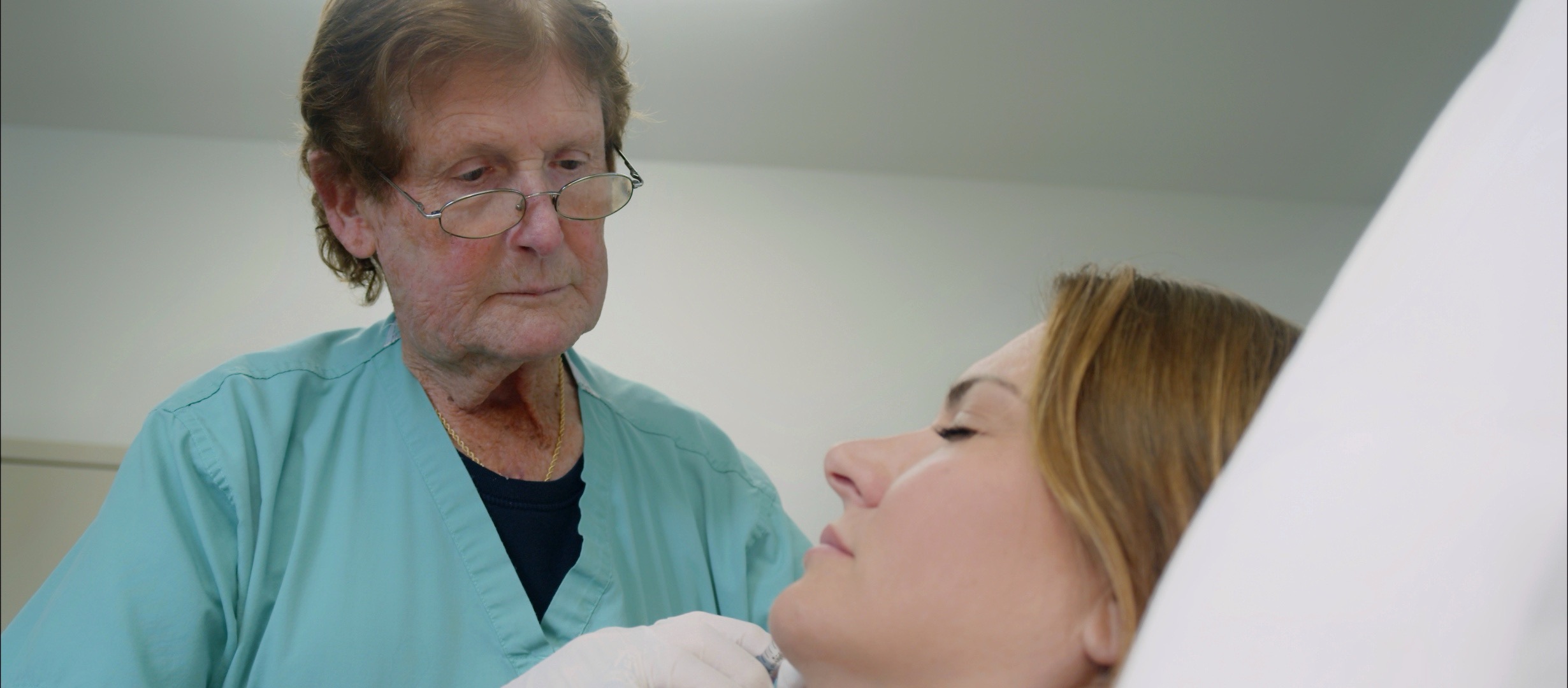
When to See a Dermatologist for a Skin Issue
Changes are often the first sign of skin cancer. Many cancers do not hurt at first. That is why small signs matter.
See a dermatologist if you notice:
A new mole that looks different
A mole that changes in size, shape, or color
A sore that does not heal
A spot that bleeds without injury
A rough patch that keeps growing
Itching, pain, or tenderness in one area
Early care makes treatment easier. Early detection saves lives.