Molluscum Contagiosum Treatment in LaPlace, LA
Get a Clear Diagnosis From a Dermatologist
Not every small bump is molluscum. Warts, skin tags, acne, folliculitis, and other skin problems can look similar. Trying to treat the wrong condition at home may irritate the skin or delay the right care.
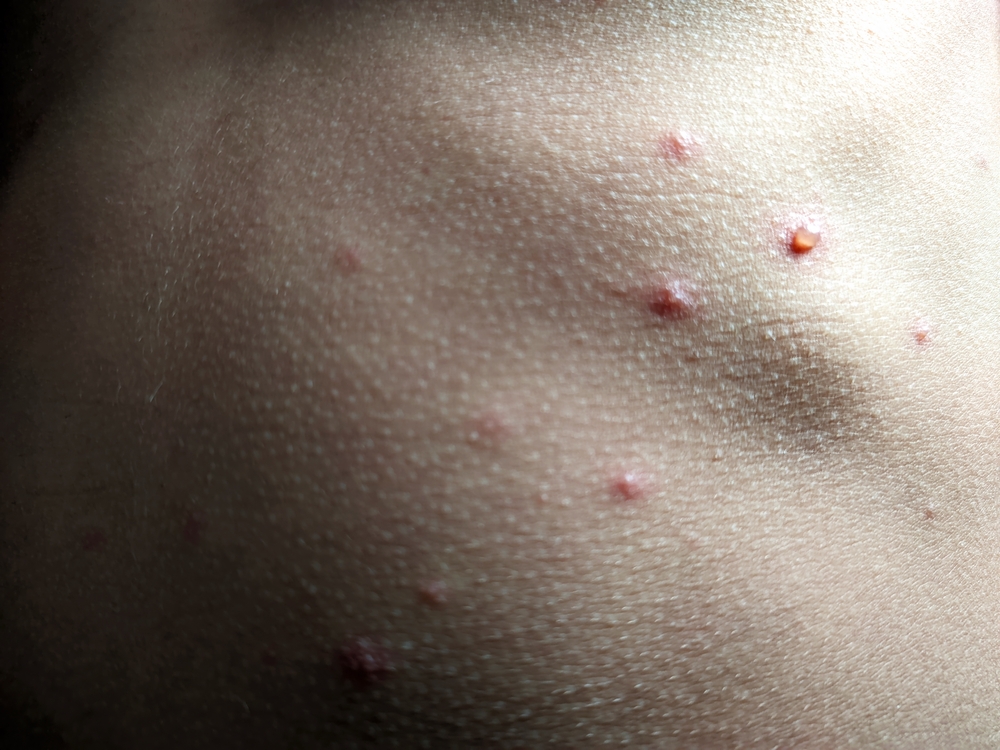
A dermatologist can often identify molluscum contagiosum by looking closely at the bumps. They are usually small, smooth, and firm. Many have a tiny dip in the center. The bumps may be white, pink, or close to the color of your skin. Some people have only a few, while others develop many bumps in one area.
During your visit, we will check where the bumps are located, how long they have been present, and whether they are spreading. We will also look for redness, itching, eczema, or signs of a skin infection.
Molluscum Care for Every Patient
Clear Diagnosis
Small skin bumps can have many causes. We carefully examine the size, shape, color, and location of each bump to confirm whether it is molluscum contagiosum. We also check for itching, eczema, redness, or infection before recommending care.
Made for You
There is no single treatment that fits every patient. Your dermatologist will choose a molluscum treatment based on your age, skin sensitivity, symptoms, and the number of bumps you have. We will explain each option and what you can expect during treatment.
The Care After
Good skin care can support healing and help keep the virus from spreading. We provide clear instructions for washing, covering, and protecting the treated areas. We can also schedule follow-up care if new bumps appear or more treatment is needed.

Explore Professional Treatment for Molluscum Bumps
Several methods may be used for molluscum bump treatment. Your dermatologist will explain which option may work well for you or your child. The right choice depends on the location of the bumps, the patient’s age, skin sensitivity, and how much discomfort the treatment may cause.
A dermatologist may apply a medicine that causes a small blister to form under the bump. As the treated skin heals, the bump may clear. Other options can include freezing the bumps, gently removing them, or using a prescription medicine on the skin. Not every option is right for every patient.
Our goal is to treat the bumps while protecting the healthy skin around them. We will tell you what changes to expect after treatment and how to care for the area at home.
Find Gentle Molluscum Care for Children
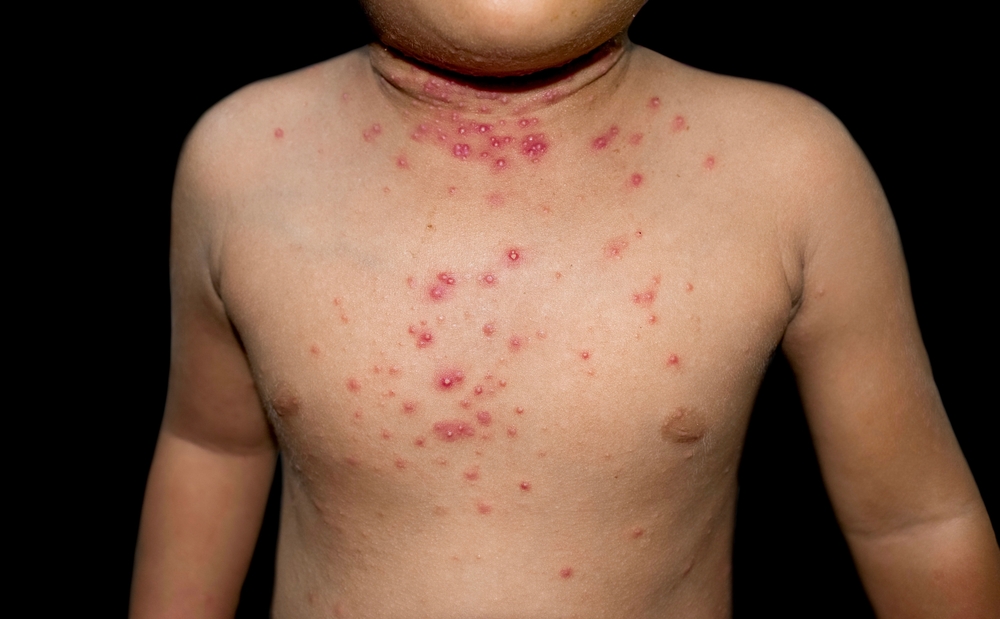
Molluscum contagiosum is very common in children. The bumps often appear on the arms, legs, chest, stomach, or face. They may spread when a child scratches them or touches another area of the body.
We understand that children may feel nervous about a skin appointment. Our team takes time to examine the bumps and explain the next steps in simple words. We choose molluscum treatment for children based on the child’s age, comfort, skin type, and symptoms.
Children with molluscum do not usually need to stay home from school or daycare. Covering visible bumps with clothing or a clean bandage may help limit contact with others. If the bumps are open, bleeding, or infected, your dermatologist may give different instructions.
When Should You See a Dermatologist for Molluscum?
| What You Notice | What It May Mean | Recommended Next Step |
|---|---|---|
| A few bumps with no pain or itching | The bumps may clear on their own over time. | Watch the skin and avoid picking the bumps. |
| Bumps that keep spreading | The virus may be moving to other areas through touch or scratching. | Schedule a skin exam to discuss molluscum treatment. |
| Red, itchy skin around the bumps | Molluscum may be making eczema worse. | Ask a dermatologist about treating both conditions. |
| Pain, warmth, pus, or bleeding | The skin may have a bacterial infection. | Contact a dermatologist for medical care. |
| Bumps near the eyes or genital area | These areas need careful diagnosis and treatment. | Schedule a professional skin exam. |
| Many large or long-lasting bumps | The immune system may need more help clearing the virus. | Ask about molluscum contagiosum treatment in LaPlace. |
What to Expect After Molluscum Treatment
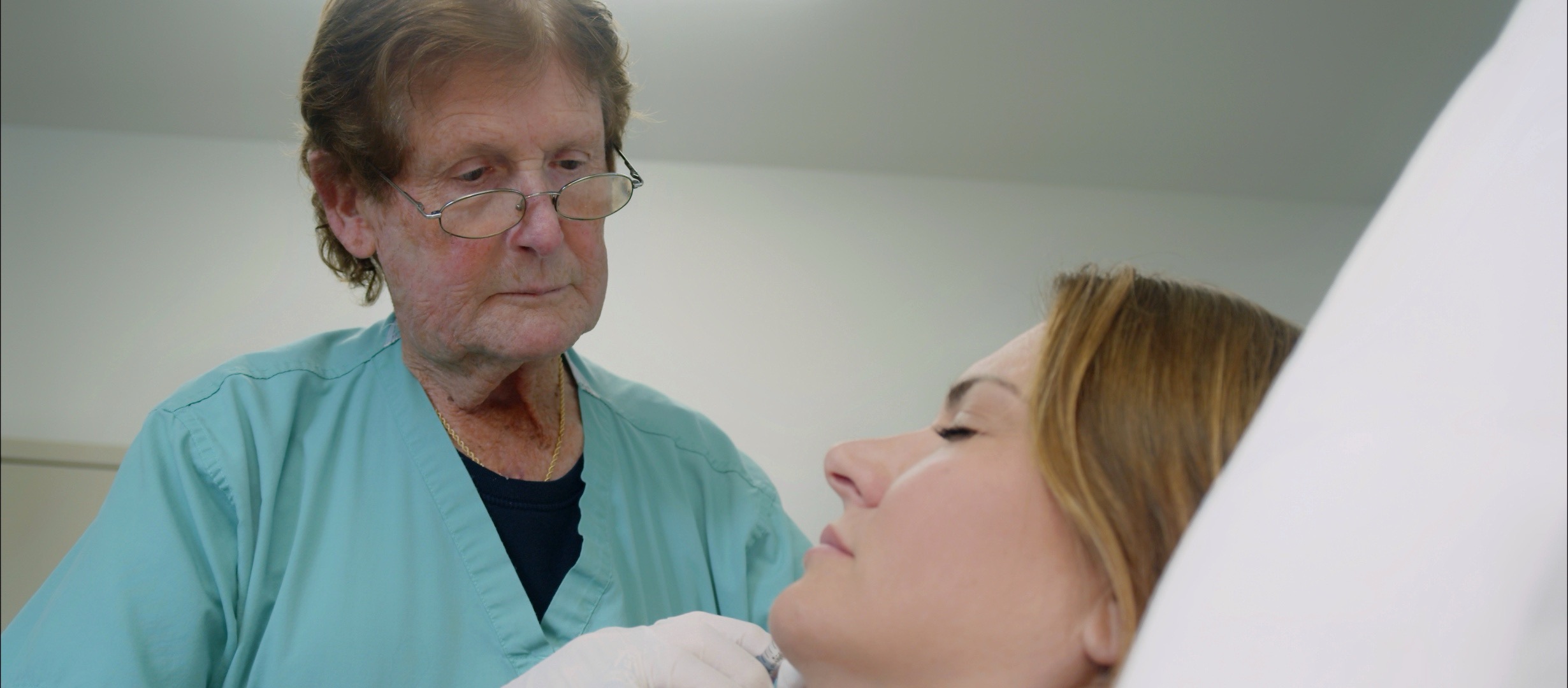
The skin may become red, sore, blistered, or crusted after some types of molluscum removal. These changes are often part of the treatment process. Your dermatologist will explain how to wash and protect the treated skin.
Follow the care instructions closely. Do not peel scabs or break blisters. Treatment removes the bumps that are present, but new ones can still appear if the virus had already spread before your visit. A follow-up appointment may be needed to check the skin and treat new bumps.