
Psoriasis Treatment in LaPlace, LA
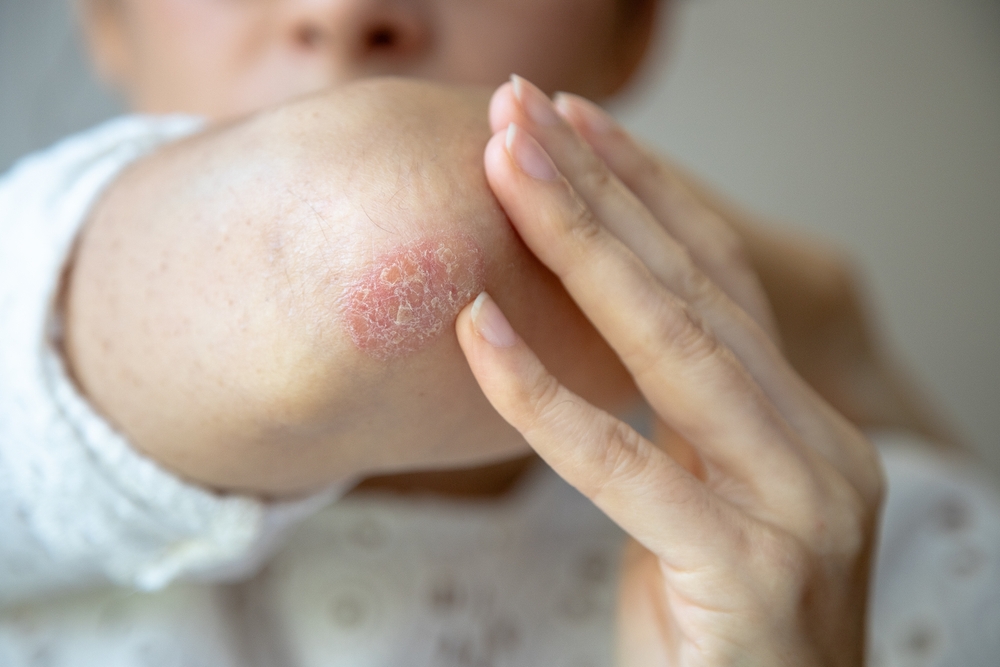
What Psoriasis Looks Like
Living with psoriasis can feel tiring. The redness, the thick patches, the flare-ups that come and go without warning—many people tell us they feel like they’re always waiting for the next outbreak.
Psoriasis is a long-term skin condition that causes the body to make skin cells faster than normal. Instead of shedding, the skin builds up into thick, raised patches. These patches often appear on the elbows, knees, scalp, back, and even nails.
Common signs include:
Red, raised skin
Silvery-white scales
Itching or burning
Cracked skin that may bleed
Thick or pitted nails
People sometimes think psoriasis is “just a rash,” but it’s much more complex. It’s connected to the immune system, which means it behaves differently for each person.
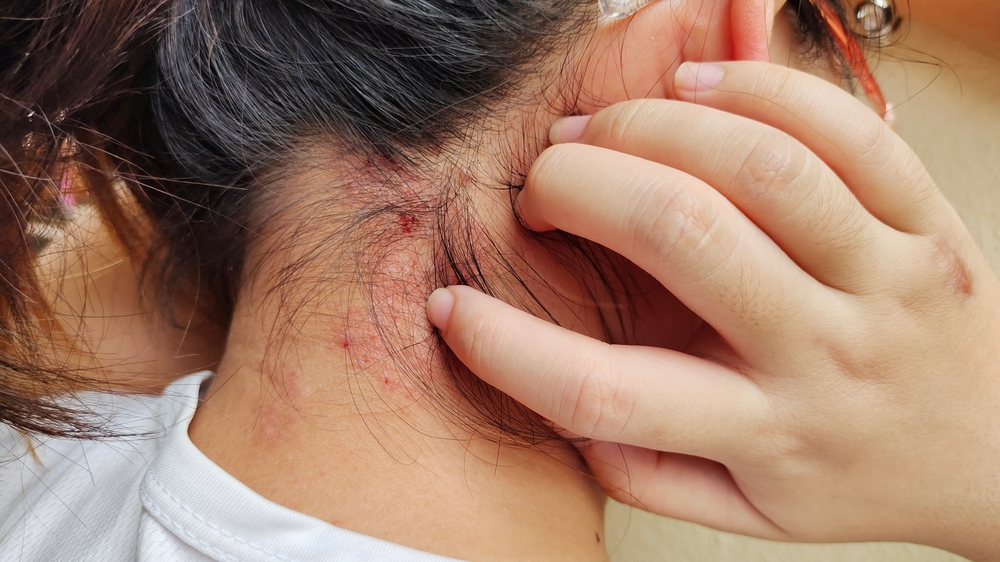
Why Psoriasis Happens
Psoriasis does not spread from person to person. It comes from the immune system sending signals that cause the skin to grow too fast. Stress, illness, weather, and even small injuries can trigger outbreaks.
Talking with patients over the years, one thing comes up again and again: the frustration of not knowing why a flare starts. Having support from a dermatologist helps make the condition easier to manage. Even when psoriasis cannot be cured, steady care can make a large difference in day-to-day comfort.
Our Approach to Psoriasis Treatment in LaPlace
When someone visits us for psoriasis treatment in LaPlace, the goal is simple: understand the pattern of their condition and choose care that fits their life. No two people have the same triggers or symptoms. Some need mild care, while others need stronger treatments.
We build plans around:
The type of psoriasis
Where the patches appear
How often flare-ups happen
The person’s past treatments
Any other health conditions
After years of working with patients in our community, we’ve seen how small changes in routine, paired with the right medical care, can bring real relief.
What Happens at Your Visit
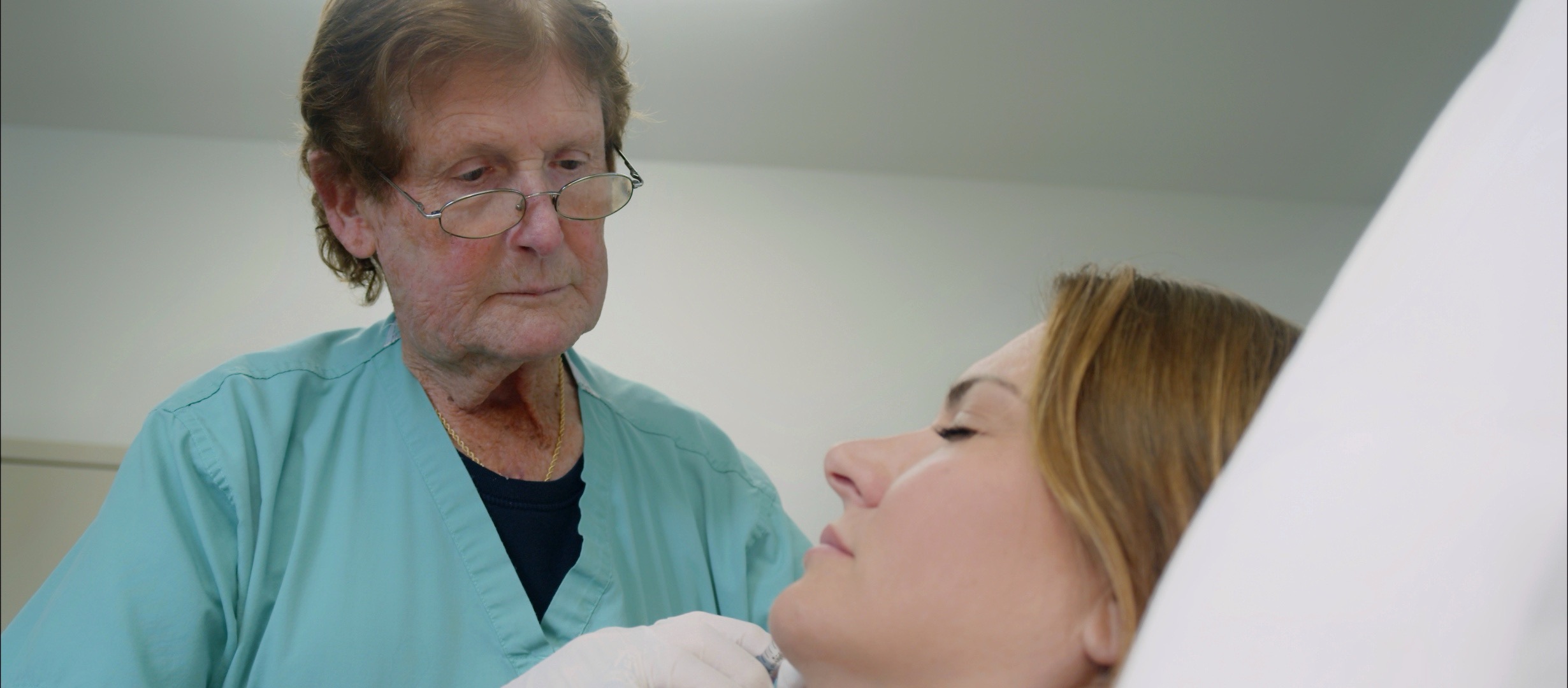
A visit for psoriasis treatment in LaPlace usually starts with a close look at your skin and a talk about your symptoms. We may ask when your flare-ups happen, what seems to trigger them, and what you’ve tried in the past.
We want to find the plan that feels right for you—not just a general treatment. Some people want fast relief. Others want something steady that fits into a busy schedule.
By the end of the visit, you’ll leave with:
A clear idea of your psoriasis type
A treatment plan
Instructions for home care
Follow-up steps
Many patients say that simply understanding their condition helps ease some of the stress that comes with it.
Why Treating Psoriasis Early Matters
Some people wait years before seeking help. They may feel embarrassed, unsure about treatment, or worried the condition is “just something they have to deal with.” But untreated psoriasis can grow worse and may even connect to joint pain, known as psoriatic arthritis.
Seeing a dermatologist early helps:
Reduce symptoms
Slow the condition
Protect long-term skin health
Lower the risk of joint issues
We often hear people say they wish they had started treatment sooner. Early care can bring steady relief and make flares easier to control.
Psoriasis Care for Children and Teens
Psoriasis can affect younger patients, too. Parents often notice red patches on the scalp, elbows, or knees. Kids may feel embarrassed or confused about the sudden changes in their skin.
We offer gentle treatment options and help families build routines that feel simple and supportive. When kids understand what psoriasis is and why flare-ups happen, they usually feel more confident managing it.
When to Reach Out for Help
You should reach out for help if:
Your patches grow larger
You have pain or burning
Treatments from the store stop working
You notice nail changes
You see cracking or bleeding
Flare-ups become more frequent
You suspect joint pain
Even mild cases benefit from early guidance.
Most Common Questions
Our dermatologist will assess your psoriasis type, where it appears, how often you flare, and past treatments to tailor the best plan for your lifestyle and goals.
Results vary by treatment. Some topical therapies can take a few weeks to show improvement, while systemic or biologic medications may show changes sooner—your provider will give you an expected timeline.
There’s no cure yet, but many treatments significantly reduce symptoms, improve comfort, and help you manage flare-ups long term.
Yes, untreated psoriasis can become more severe and may be associated with joint pain (psoriatic arthritis) in some people, so early care is beneficial.
Yes. There are gentle treatment options suitable for young patients, and our dermatologist can guide care that’s safe and comfortable for kids and teens.