
Skin Allergy Treatment in Laplace, LA

What Causes Skin Allergies?
Many different things can trigger an allergic skin reaction. Sometimes the cause is obvious. Other times, finding the trigger takes a little detective work.
Some of the most common causes include soaps, detergents, fragrances, cosmetics, sunscreen products, lotions, jewelry containing nickel, latex, certain fabrics, plants such as poison ivy, pet dander, dust mites, mold, insect bites, medications, and some foods.
Louisiana’s warm weather and high humidity can also make irritated skin feel worse. Heat and sweat may increase itching and make inflamed skin more uncomfortable.
Some people react to only one allergen, while others are sensitive to several different triggers. Identifying these triggers helps reduce future skin allergy flare-ups.
Types of Skin Allergies
Contact Dermatitis
It develops when your skin touches something that causes irritation or an allergic reaction. It often appears where the contact happened, such as your hands, neck, face, or arms.
The skin may become red, itchy, swollen, or develop blisters. Common triggers include soaps, cleaning products, perfumes, makeup, hair dye, jewelry, plants, and rubber products.
Hives
Itchy welts that may appear suddenly. They can range from very small spots to large patches that join together.
Hives may be caused by foods, medications, insect stings, infections, stress, heat, cold, or other triggers. Some cases disappear within hours, while others return again and again.
Atopic Dermatitis
Often called eczema, is linked to allergies and an overactive immune system. It commonly causes dry, itchy skin that may crack, peel, or become inflamed.
Many people with eczema also have asthma or seasonal allergies. Flare-ups may be triggered by weather changes, stress, soaps, fragrances, or certain fabrics.
Drug-Related Skin Reactions
Some medications can cause allergic skin reactions. These reactions may appear as rashes, hives, or widespread redness.
Insect Bite Reactions
Mosquitoes, bees, wasps, ants, fleas, and other insects can trigger allergic skin reactions. Some people experience only mild itching, while others develop large swollen areas that last for several days.
How Skin Allergies Are Diagnosed
Diagnosing a skin allergy begins with a conversation about your symptoms. Your dermatologist will ask when the rash started, where it appears, whether it comes and goes, and if you have noticed any possible triggers.
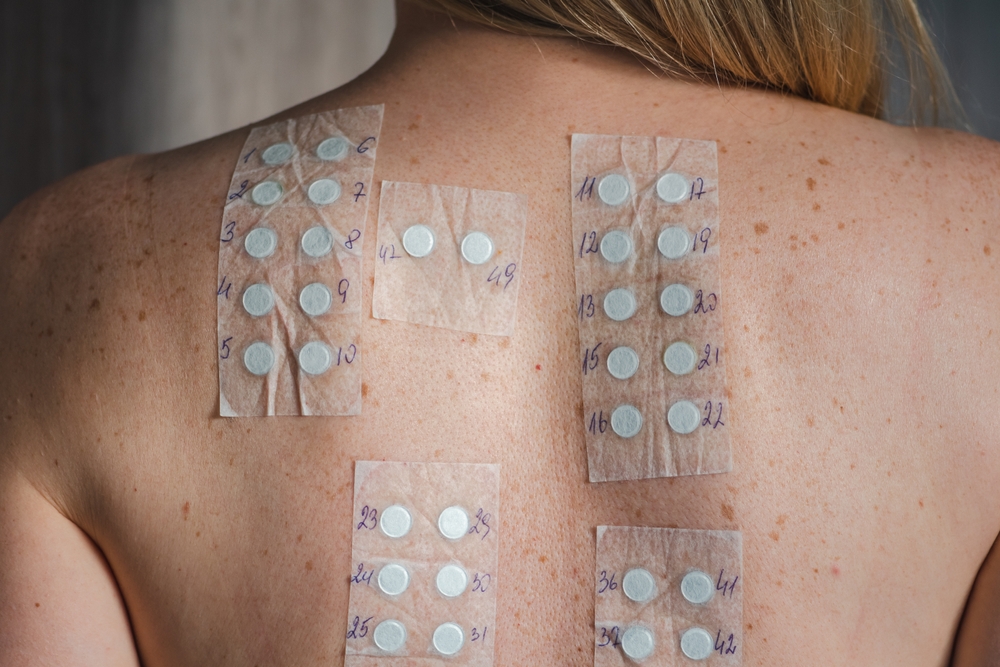
Patch testing is commonly used when contact dermatitis is suspected.
Small amounts of common allergens are placed on patches that stick to your back. The patches remain in place for several days before your skin is checked for reactions.
This test may identify allergies to:
- Nickel
- Fragrances
- Preservatives
- Rubber chemicals
- Hair dye ingredients
- Adhesives
- Cosmetics
- Topical medications
Treatment Options for Skin Allergies
| Treatment Option | How It Helps |
|---|---|
| Prescription Creams | Prescription creams help reduce inflammation, redness, and itching. They calm irritated skin and help it heal more quickly. |
| Medical-Grade Moisturizers | Moisturizers strengthen the skin barrier, lock in moisture, and protect the skin from irritants. They are often recommended for patients with dry or sensitive skin. |
| Oral Antihistamines | Oral antihistamines may help reduce itching and hives caused by certain skin allergies. |
| Prescription Medications | When reactions are more severe, stronger prescription medications may be used for a short time to control inflammation and improve symptoms. |
| Trigger Avoidance and Daily Changes | Your dermatologist may recommend avoiding specific allergens, changing skincare products, or adjusting daily habits to reduce irritation and prevent future flare-ups. |
Why choose LaPlace Dermatology for Skin allergy treatment
Living with itchy, irritated skin can make everyday life uncomfortable. Finding the cause of the reaction is the first step toward lasting relief.
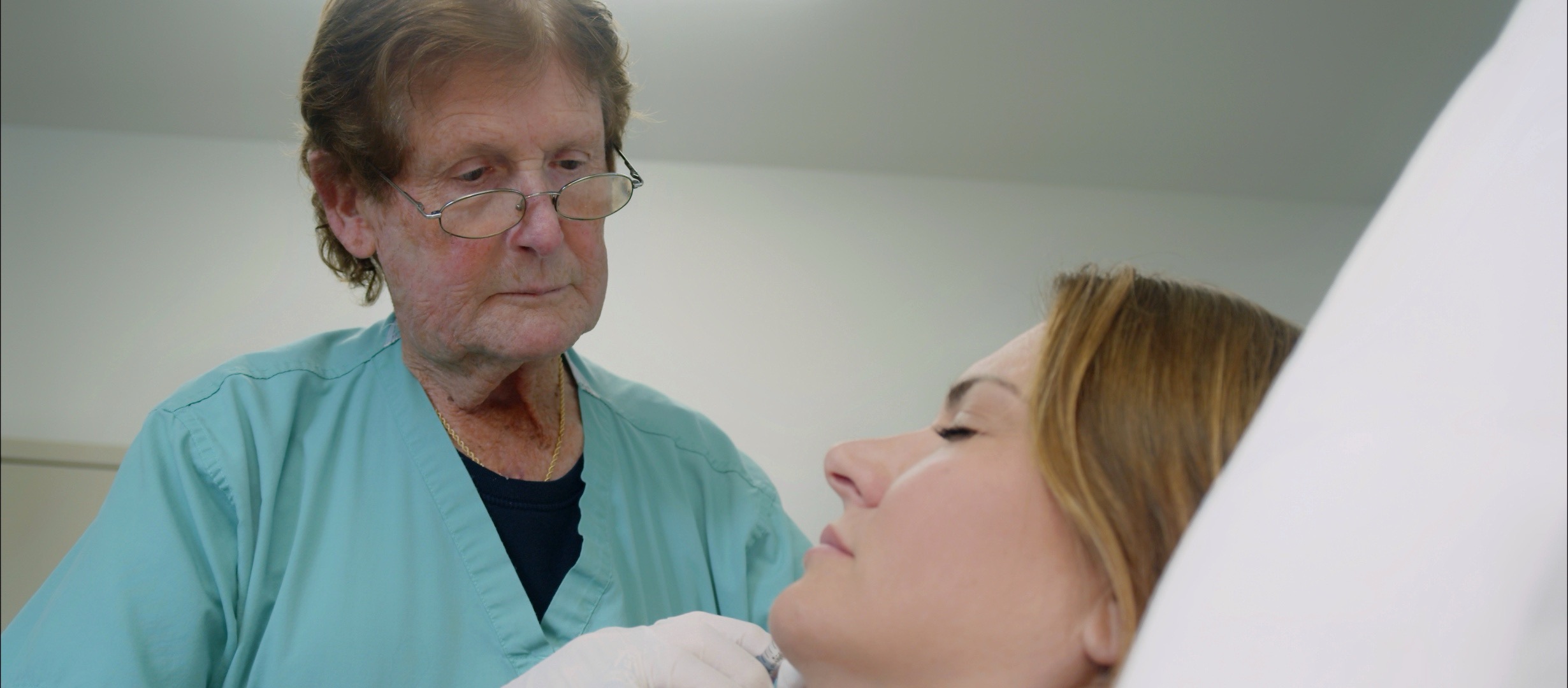
At LaPlace Dermatology, patients receive care from an experienced board-certified dermatologist who diagnoses and treats a wide range of skin allergies. Every treatment plan is personalized to relieve symptoms, identify triggers, and help prevent future flare-ups.
Patients choose LaPlace Dermatology for:
- Personalized treatment plans
- Expert skin allergy diagnosis
- Patch testing when needed
- Effective treatment options
- Comfortable, welcoming office
- Long-term allergy management