Skin Cancer Treatment in LaPlace
Skin Cancer Detection in LaPlace
Skin cancer happens when skin cells grow out of control. This often starts after years of sun exposure. Tanning beds can also raise your risk. Light skin, many moles, or a family history of cancer can increase risk too.
You may ask:
What does skin cancer look like?
Does it hurt?
When should I see a doctor?
Some skin cancers look like a shiny bump. Some look like a red patch. Some look like a dark mole that changes shape or color. Many do not hurt at first. That is why skin checks matter.
At LaPlace Dermatology, we focus on early skin cancer detection in LaPlace. Early detection saves lives. When found early, treatment is often simple and very effective.
Our board-certified dermatologist provides trusted oncology care in LaPlace. We take time to check your skin from head to toe. We answer your questions. We guide you step by step.
If you have not had a skin exam in the past year, now is a good time to schedule one.
We Treat Basal Cell Carcinoma
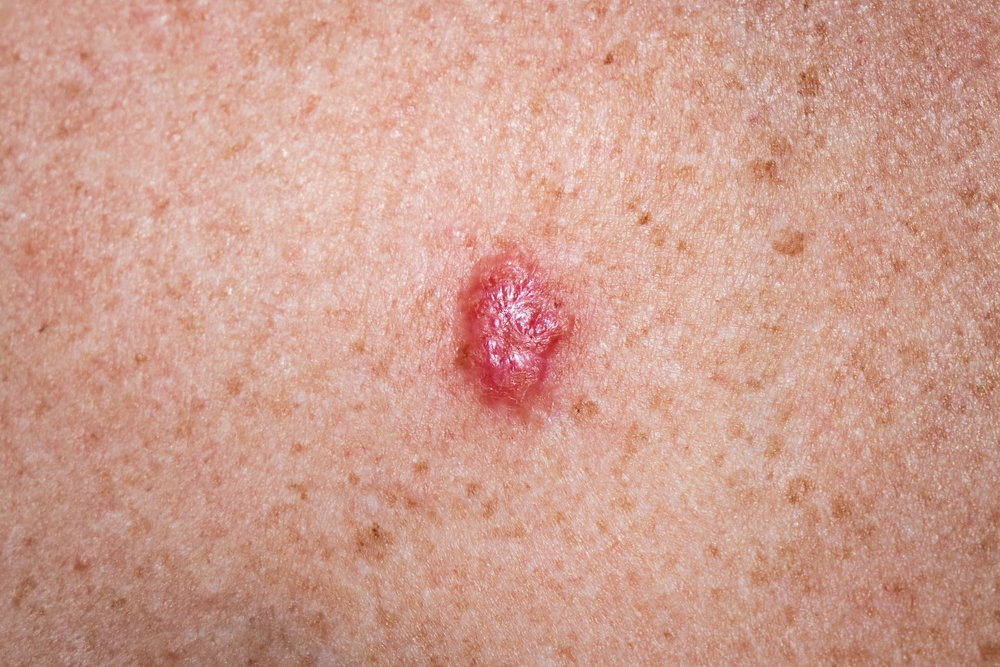
Basal Cell Carcinoma is the most common type of skin cancer. It often shows up on areas that get a lot of sun, like the face, ears, neck, and arms.
It may look like:
A pearly bump
A pink patch
A sore that heals and comes back
This cancer grows slowly. It does not often spread to other parts of the body. But it still needs treatment. If left alone, it can grow deeper into the skin. It can damage tissue and leave scars.
At LaPlace Dermatology, we diagnose and treat Basal Cell Carcinoma in LaPlace with safe and proven methods. As part of our oncology services in LaPlace, we remove cancer while protecting healthy skin. Most treatments are done in the office.
If you notice a spot that does not heal, schedule a visit. Early care can prevent bigger problems later.
We Treat Squamous Cell Carcinoma
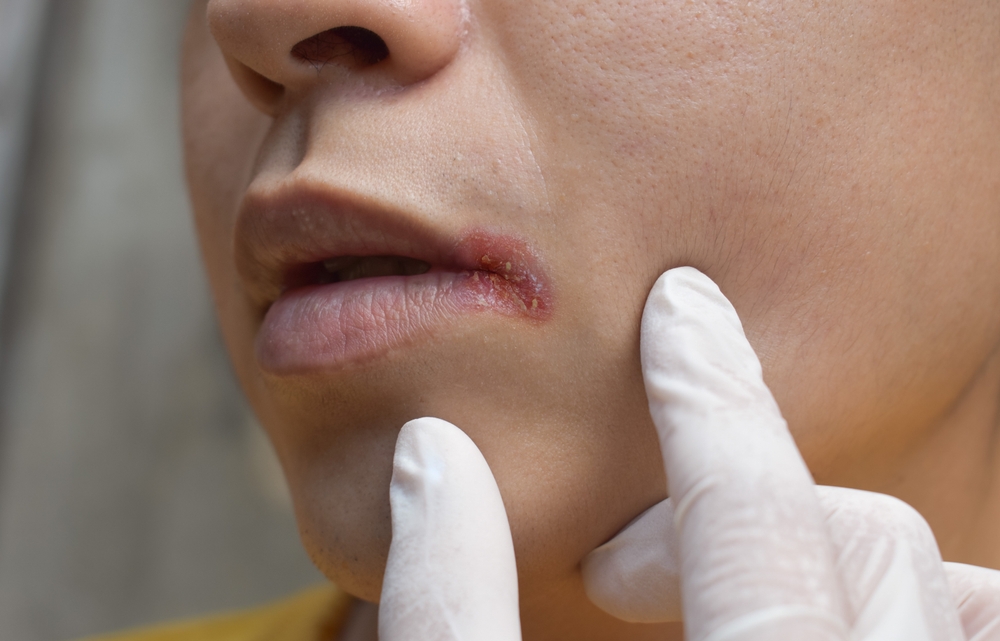
Squamous Cell Carcinoma is another common type of skin cancer. It often appears on sun-exposed areas like the face, scalp, lips, and hands.
It may look like:
A firm red bump
A rough or scaly patch
A sore that bleeds
This cancer can grow faster than Basal Cell Carcinoma. It can spread if untreated. That is why early care matters.
At LaPlace Dermatology, we provide expert oncology in LaPlace for Squamous Cell Carcinoma. We examine the area, confirm the diagnosis, and create a clear treatment plan. Many cases can be treated with minor surgery in our office.
You may wonder, “Is this spot serious?” The only way to know is to have it checked. If a lesion is growing, bleeding, or changing, it is time for a skin exam.
We Do Full-Body Skin Exams
A full-body skin exam is one of the best ways to catch skin cancer early.
During your visit at LaPlace Dermatology, here is what you can expect:
A private exam room
A careful head-to-toe skin check
Time to ask questions
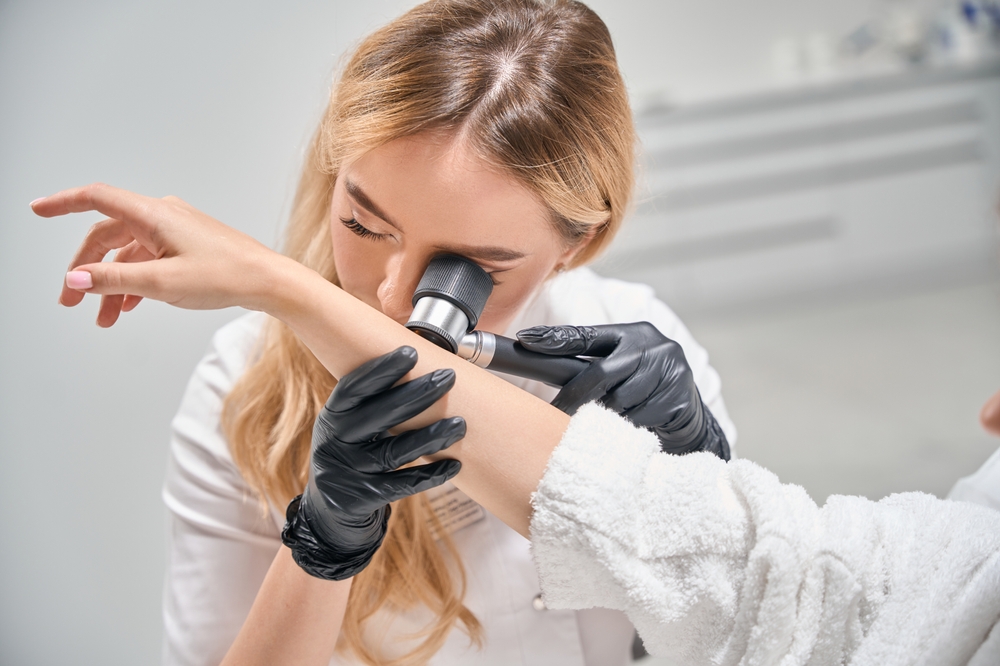
We use a special tool called a dermatoscope. This device lets us see patterns and colors in the skin that are not visible to the eye. It helps us spot early signs of cancer.
We check moles, freckles, bumps, and any irregular spots. If you have a concern, we look closely at that area.
You may have heard of the ABCDE rule for moles:
A – Asymmetry: One half does not match the other
B – Border: Edges are uneven or blurry
C – Color: More than one color
D – Diameter: Larger than a pencil eraser
E – Evolving: Changing in size, shape, or color
If a mole shows these signs, it needs medical review.
Skin exams are simple and fast. For many patients, they take about 10 to 15 minutes. A yearly exam is a smart step for adults, especially those with sun exposure.
We Treat Melanoma
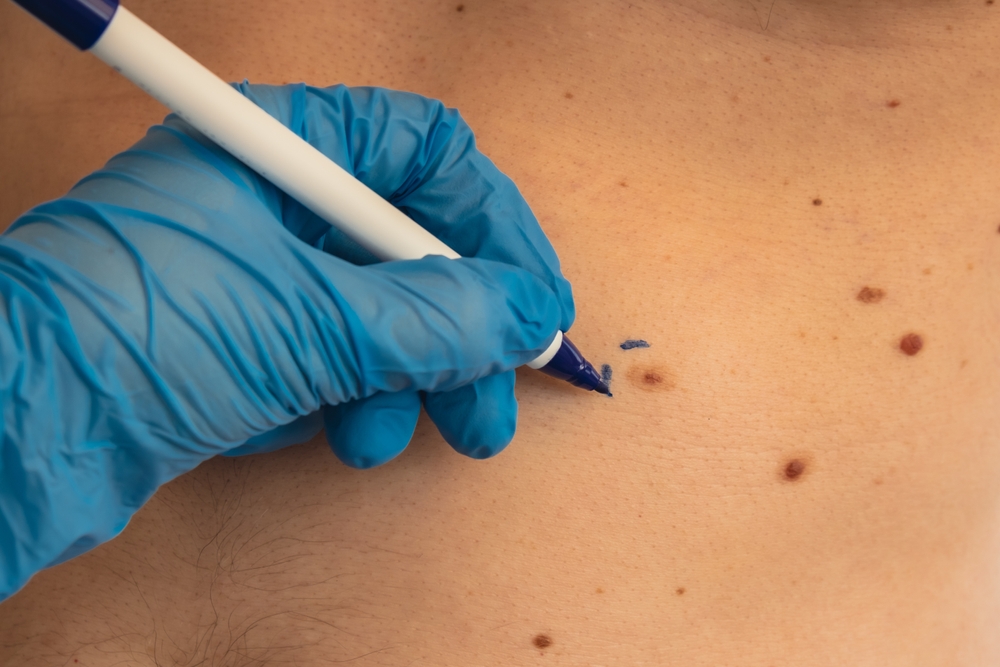
Melanoma is the most serious form of skin cancer. It can spread to other parts of the body if not treated early. But when found early, survival rates are high.
Melanoma often begins in a mole. It may also appear as a new dark spot on the skin. Watch for:
A mole that changes size
Uneven edges
More than one color
Itching or bleeding
Early detection is critical. A small change can make a big difference.
At LaPlace Dermatology, we provide melanoma evaluation and treatment in LaPlace. As part of our trusted oncology services, we examine suspicious moles, perform biopsies when needed, and remove melanoma with care and precision.
You may ask, “Can melanoma be cured?” If caught early, many cases can be cured with surgical removal. Follow-up care is also key. We monitor your skin over time to watch for new changes.
Treatment Options for Skin Cancer
Treatment depends on the type and stage of skin cancer. At LaPlace Dermatology, we offer advanced oncology care in LaPlace.
Surgical Excision
Surgical excision is a common treatment. The cancer is removed along with a small margin of healthy skin. This helps lower the risk of cancer coming back.
The area is numbed. The procedure is done in the office. Stitches may be placed. Most patients return to normal activity soon after.
This method is often used for Basal Cell Carcinoma, Squamous Cell Carcinoma, and early Melanoma.
We also offer IGSRT (Image-Guided Superficial Radiation Therapy). This is a non-surgical treatment option for certain skin cancers.
IGSRT uses targeted radiation to treat cancer cells while sparing healthy tissue. It can be a good choice for patients who:
Prefer not to have surgery
Have medical issues that limit surgery
Have cancer in delicate areas
Each treatment plan is tailored to your needs. Our team explains your options and answers all questions.
When to See a Dermatologist for a Skin Issue
Changes are often the first sign of skin cancer. Many cancers do not hurt at first. That is why small signs matter.
See a dermatologist if you notice:
A new mole that looks different
A mole that changes in size, shape, or color
A sore that does not heal
A spot that bleeds without injury
A rough patch that keeps growing
Itching, pain, or tenderness in one area
Early care makes treatment easier. Early detection saves lives.